The real world,
onchain.
Bring a building, a wind farm, a stand of timber. It gets surveyed, its title placed with a custodian, and divided into Squares on a ledger anyone can read.
Or read the application queue — every asset applied for, and what a reviewer decided.
Every lit square on the globe is land. None of it is registered yet — the first asset in the register could be yours.
One asset. Divided once. Recorded forever.
A surveyor draws the boundary. A custodian holds the title. The registry divides the asset into a fixed number of Squares and writes that number down where it cannot be quietly changed.
Own a Square and you own that fraction of the thing itself — not a note referencing it, not a fund holding it.
The film shows the mechanism, not an asset. Its footage illustrates the kinds of things the register can hold; it names no property and quotes no valuation, because every figure worth stating is one the register can prove.
Things you could stand next to.
Six sectors, one requirement: the asset exists, someone holds its title, and the paperwork survives being read by a stranger.
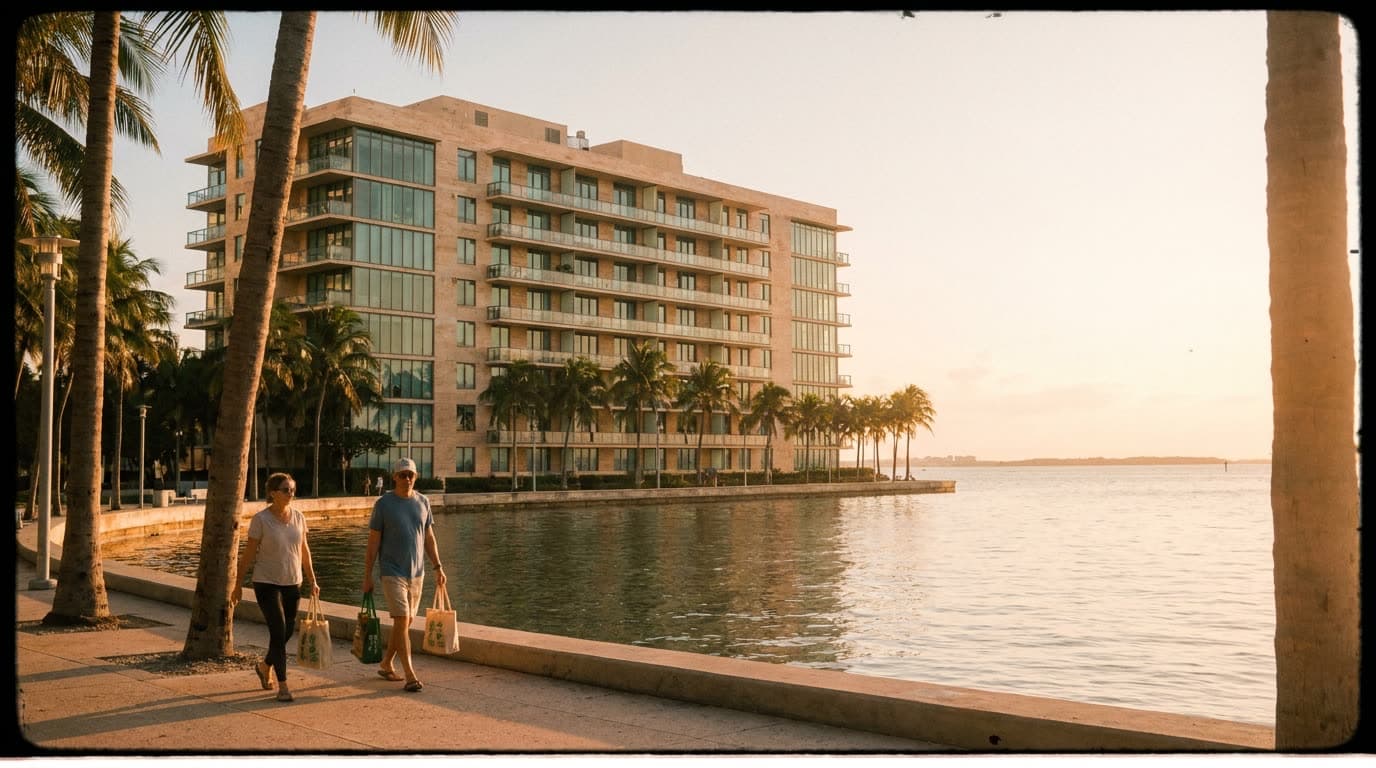
Real estate
Residential and commercial buildings with clean title and a named managing agent.
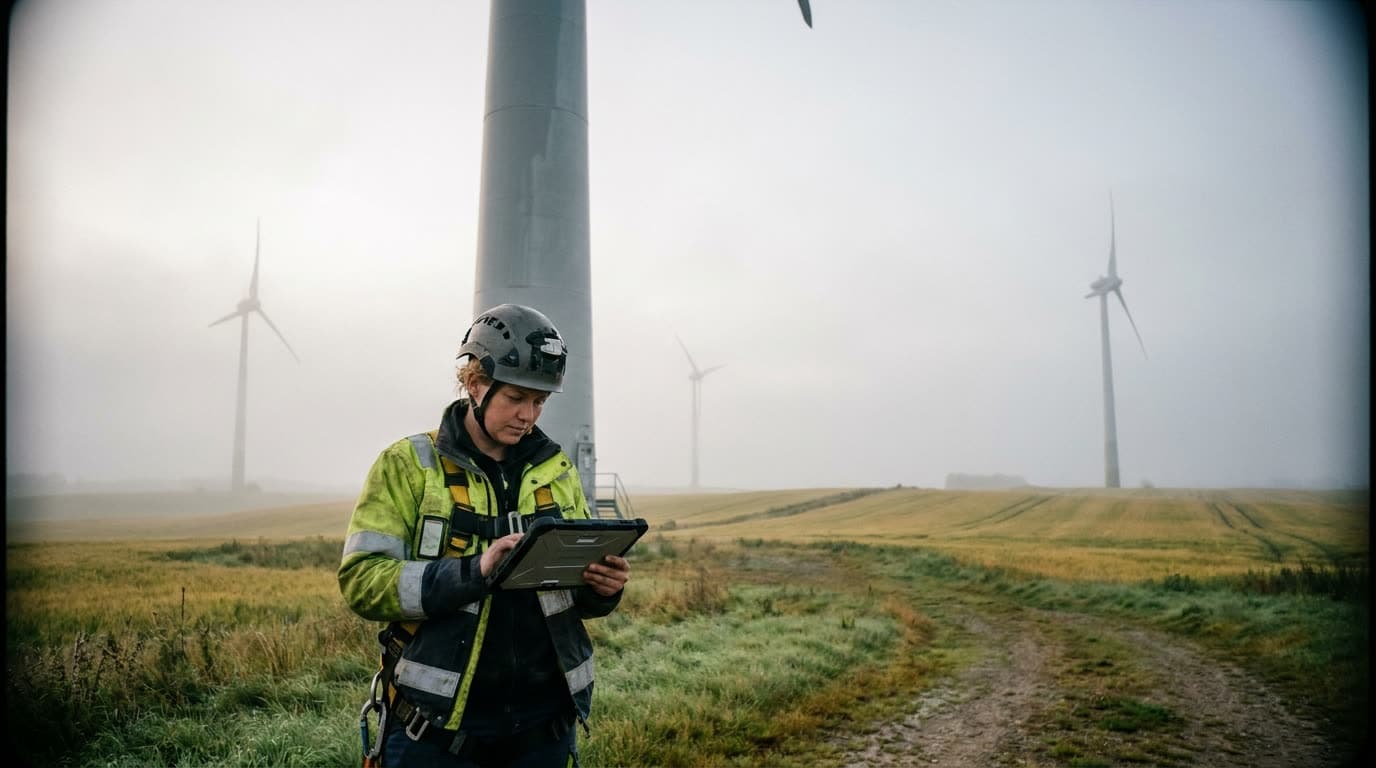
Infrastructure
Generation, transmission and transport assets with a contracted revenue line.
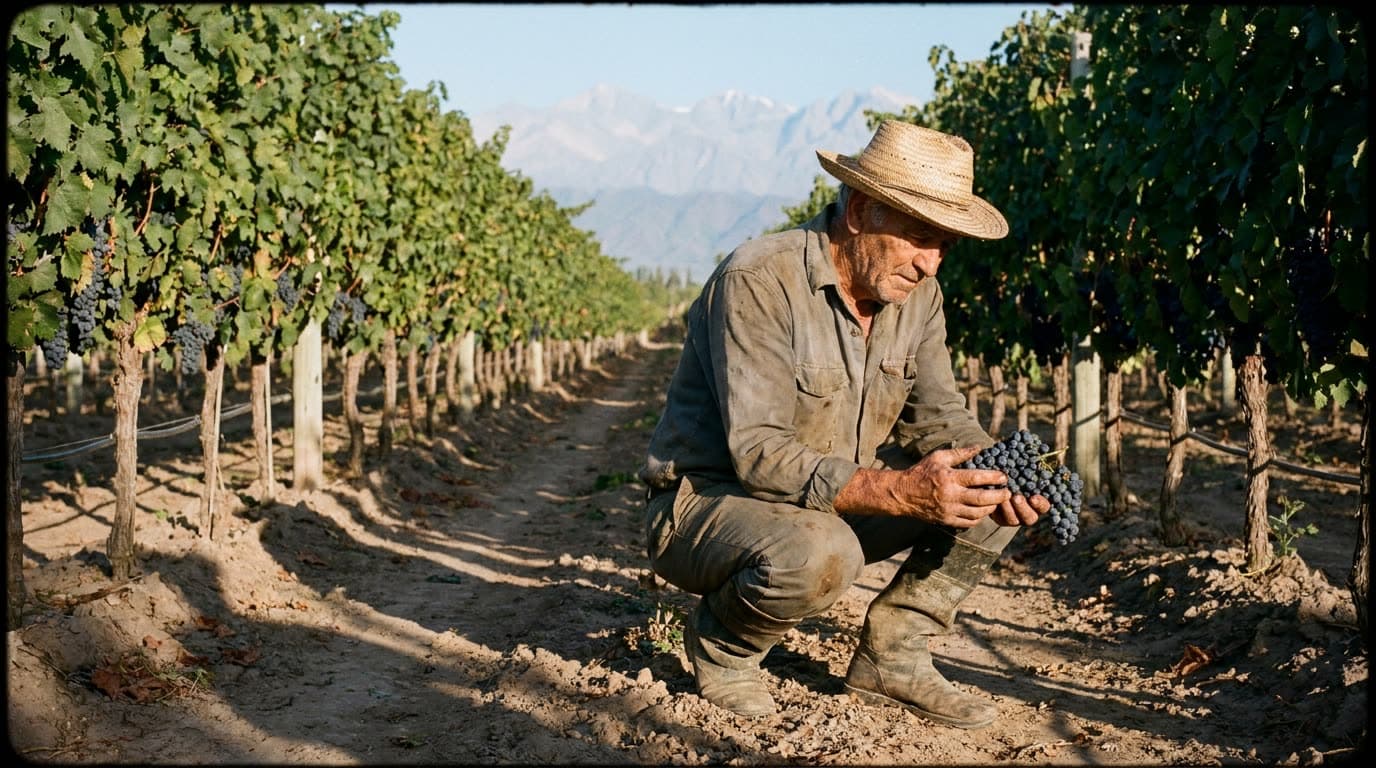
Agriculture
Productive land: orchards, vineyards, row crop and pasture, with a working operator.
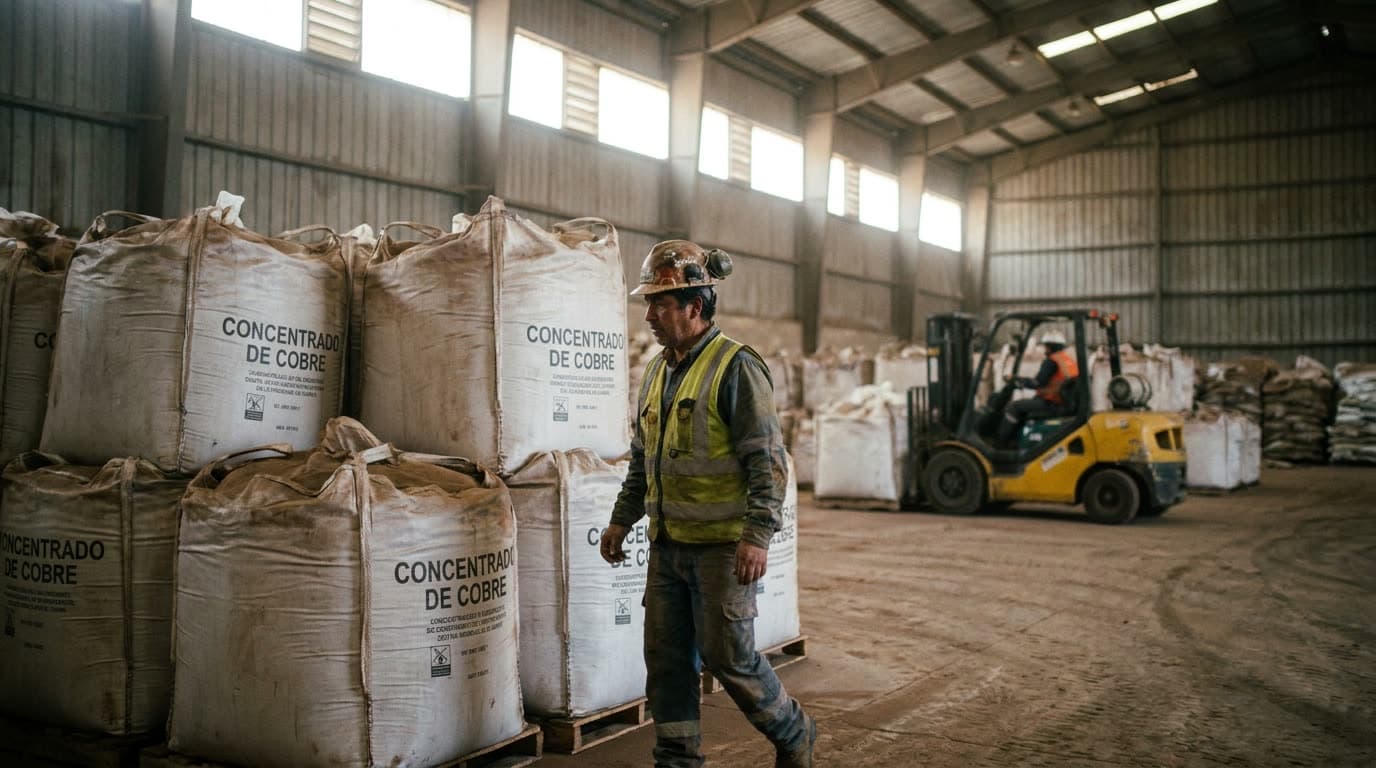
Commodities
Warehoused physical stock under bond, with independent inspection.
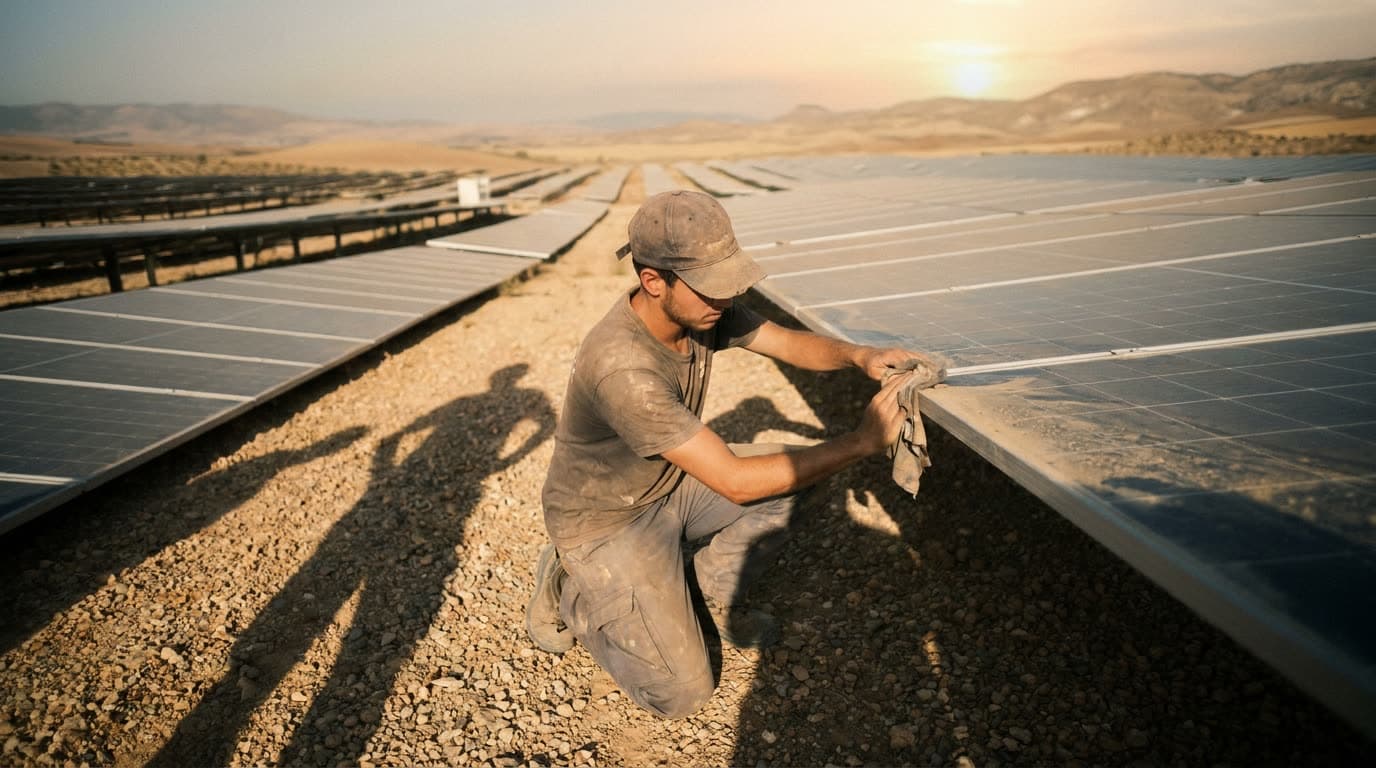
Energy
Grid-connected solar, wind and storage with a metered production history.
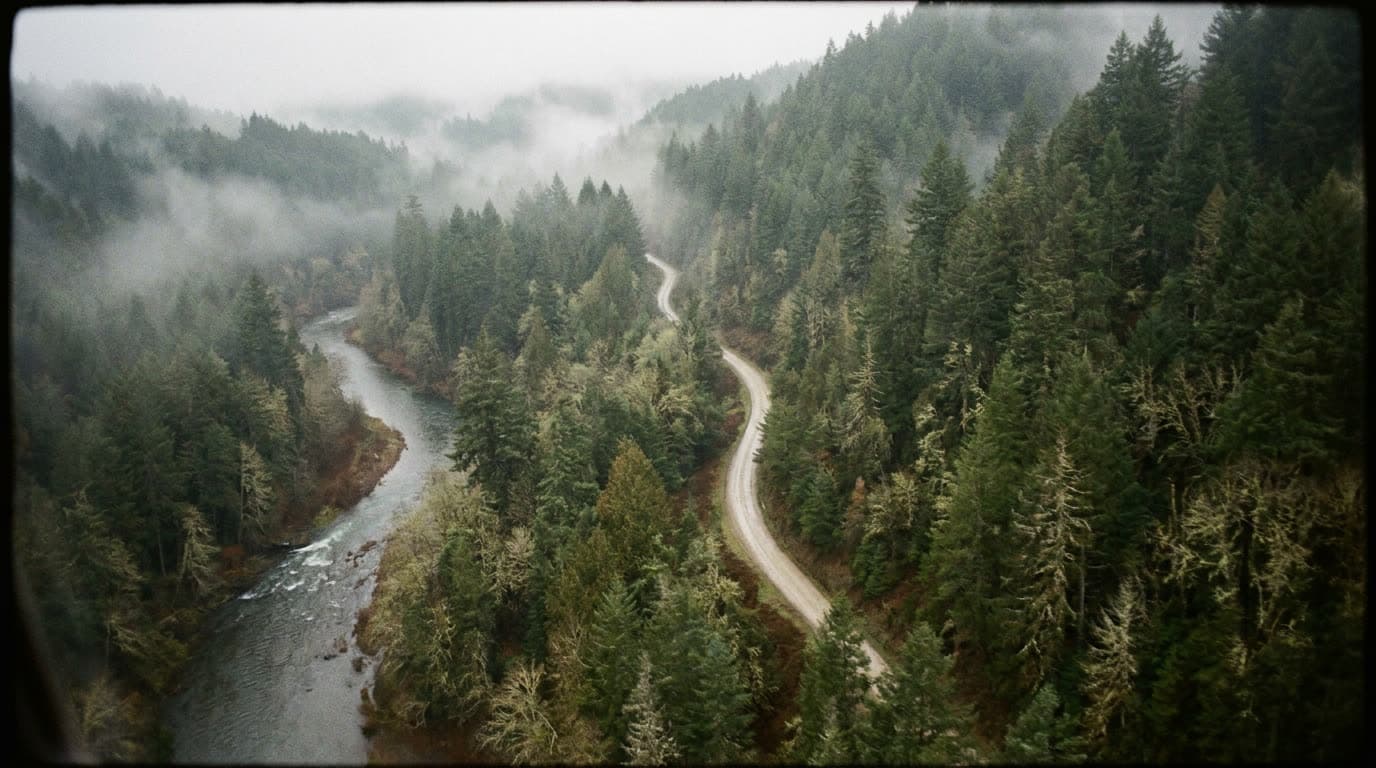
Natural resources
Timberland, water rights and mineral interests held on a long rotation.
The photographs above are commissioned illustrations of each sector. They do not depict registered assets — everything actually in the registry is listed, without imagery, from the contract itself.
Open the books.
Every asset in the registry, read from the contract on each request. If a figure is not here, it has not been attested.
The register is empty. No assets have been approved yet.
Assets arrive one way: an owner applies, a reviewer confirms custody and documents, and the asset is divided into Squares. Nothing is listed here that has not been through that.
Robinhood Chain — chain 4663 — block 57,743,005
0xb7B0A2bd52D2d7990b62eA7B8CA8703073c92D73Ports, fields, substations, roofs. Most of the world’s value sits in things you can walk up to, and almost none of it can be owned in fractions.
Real assets have staff.
Tokenizing something does not make it run itself. An asset in the registry has people who show up to it, and their work is what the Squares are ultimately a claim on.
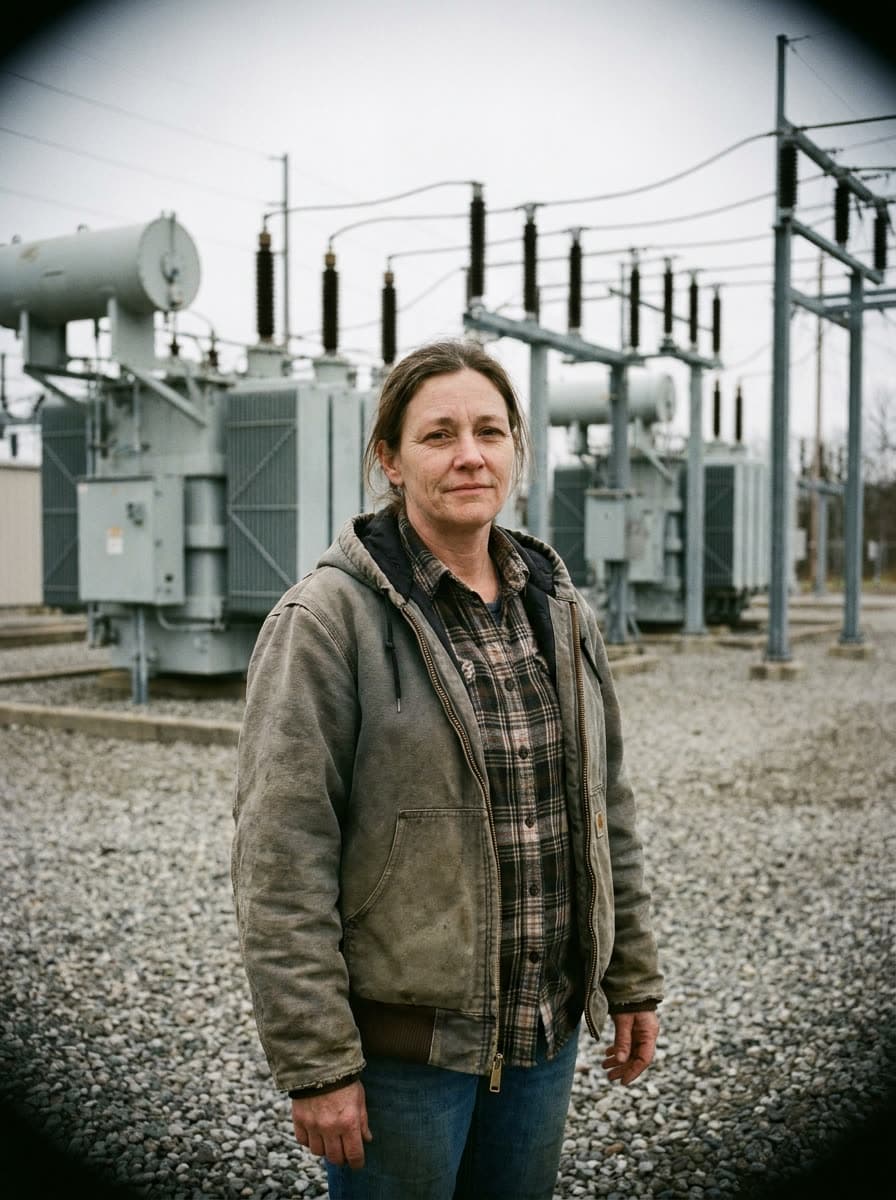
The operator
Walks the substation yard, files the outage reports, and knows which transformer runs hot in August. Infrastructure only pays because someone maintains it.
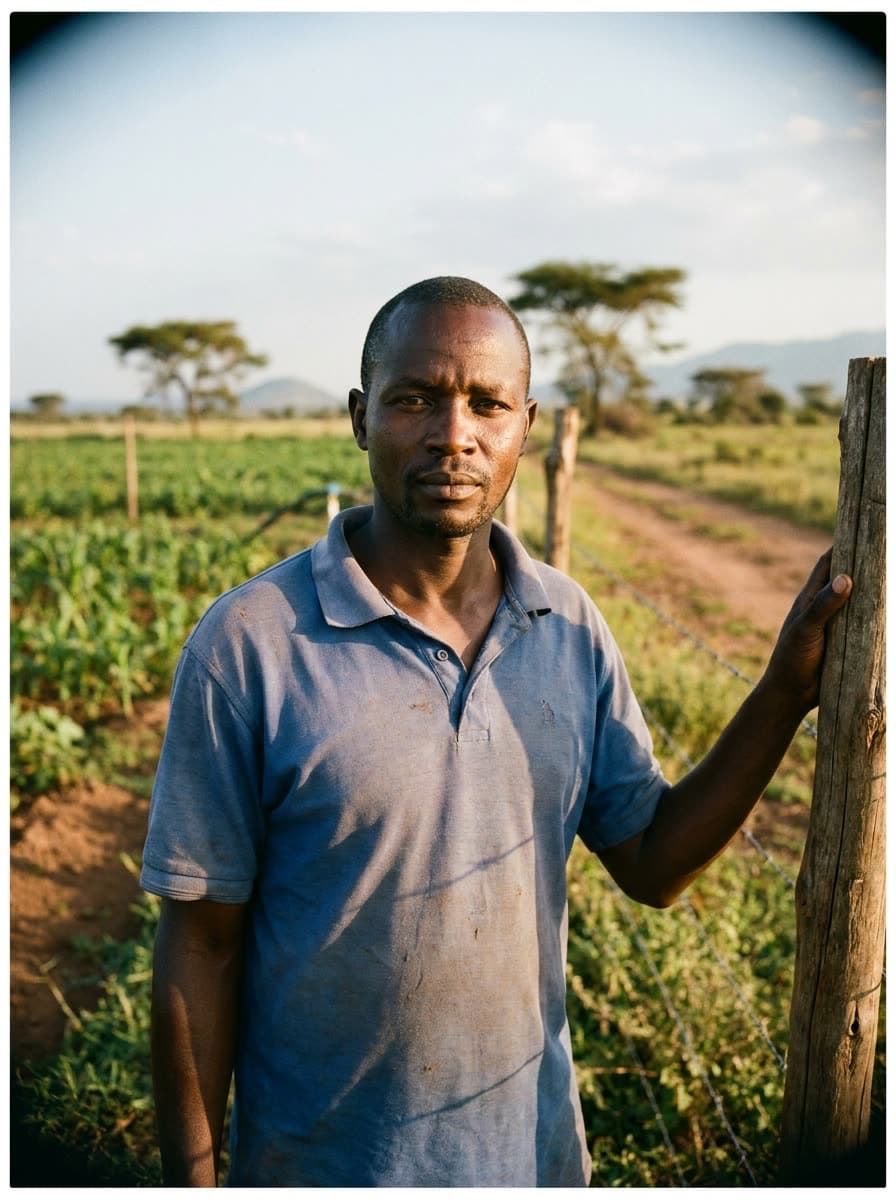
The grower
Decides when to irrigate and when to hold. A tokenized field is still a field, and the yield still depends on the judgement of the person standing in it.
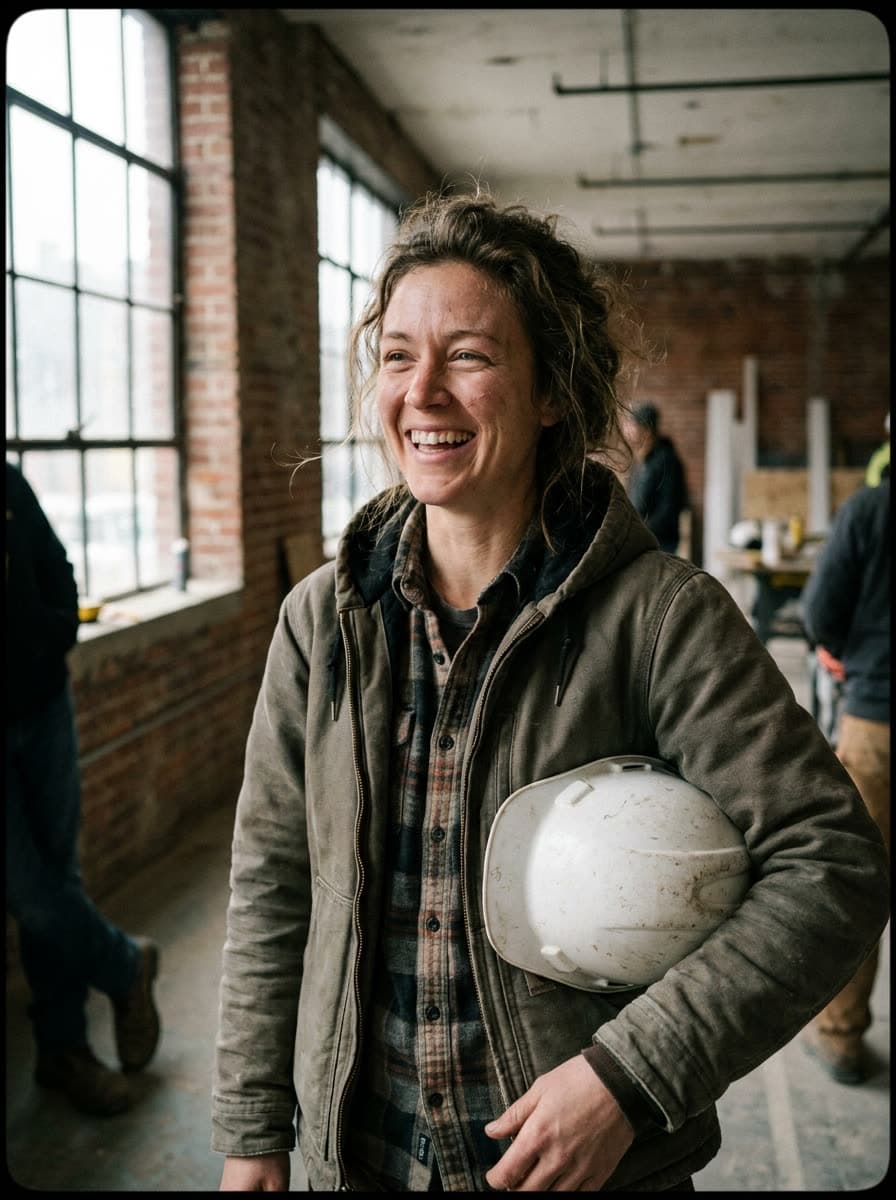
The manager
Signs the leases, chases the contractor, keeps occupancy up. The custodian holds the title; she is the reason the asset is worth holding.
How something becomes Squares.
Anyone can apply. Not every application is approved — that is the point of having a register rather than a mint.
- 01
Apply
You submit the asset from your own wallet: what it is, where it stands, who holds the title, how many Squares, and a link to the documents. The application is public from the moment you sign it.
- 02
Review
A reviewer checks custody and paperwork. Approved, the asset is registered and its first valuation attested. Rejected, the reason is written on chain next to your application.
- 03
Claim and trade
You claim your Squares to your own address. Restricted assets check eligibility on every transfer; open assets move freely between any two addresses.